You want to find the right kayak for beginners, but you might feel unsure where to start. Picking inflatable kayaks does not need to be confusing or stressful. You just need a simple buying guide to help you. This guide speaks directly to you as a beginner, so you can feel confident and excited. Get ready to enjoy your first kayak adventure!
Key Takeaways
-
Inflatable kayaks are simple to move and keep. They are great for beginners who do not have much space.
-
Pick a kayak that fits how you want to paddle. Recreational kayaks work well on calm water. Touring kayaks are better for long trips.
-
Check for important things like stability, comfort, and safety. These help you have a good time kayaking.
-
Decide how much money you want to spend before you shop. This helps you choose faster and keeps you from getting confused.
-
Always wear a life jacket when you kayak. Bring the safety gear you need to stay safe on the water.
Why Inflatable Kayaks for Beginners
Easy Transport and Storage
You might worry about how to move a kayak or where to keep it. Inflatable kayaks make this part easy. You can deflate them and pack them into a bag. This means you do not need a garage or a big storage rack. If you live in an apartment or have a small car, you can still own a kayak. You do not need a roof rack or a truck. You can even check your kayak as baggage on a flight. Kids can help carry them because they are lightweight. Here are some reasons you will love the transport and storage:
-
Convenient for small living spaces
-
Easy to handle and transport
-
Packs down into a small size
Tip: You can store your inflatable kayak in a closet or under your bed!
Stability and User-Friendliness
You want to feel safe and steady on the water, especially as a beginner. Inflatable kayaks have a wide base. This design helps you stay balanced. You will notice that these kayaks are less likely to tip over. Even if you paddle in choppy water, you will feel secure. The wide surface makes it easy for you to get in and out. You do not need special skills to start. Many people say inflatable kayaks are perfect for first-time paddlers.
Cost and Accessibility
You do not have to spend a lot of money to start kayaking. Inflatable kayaks cost less than hard-shell models. You can find a good kayak for beginners without breaking the bank. Take a look at this table to see the difference:
|
Kayak Type |
Lower End |
Higher End |
|---|---|---|
|
Inflatable |
$250 |
$2,000 |
|
Hard-shell |
$1,000 |
$1,500 |
You can see that inflatable kayaks are more affordable. They are also easier to buy and maintain. This makes them a smart choice if you want to try kayaking without a big investment.
Types of Inflatable Kayaks
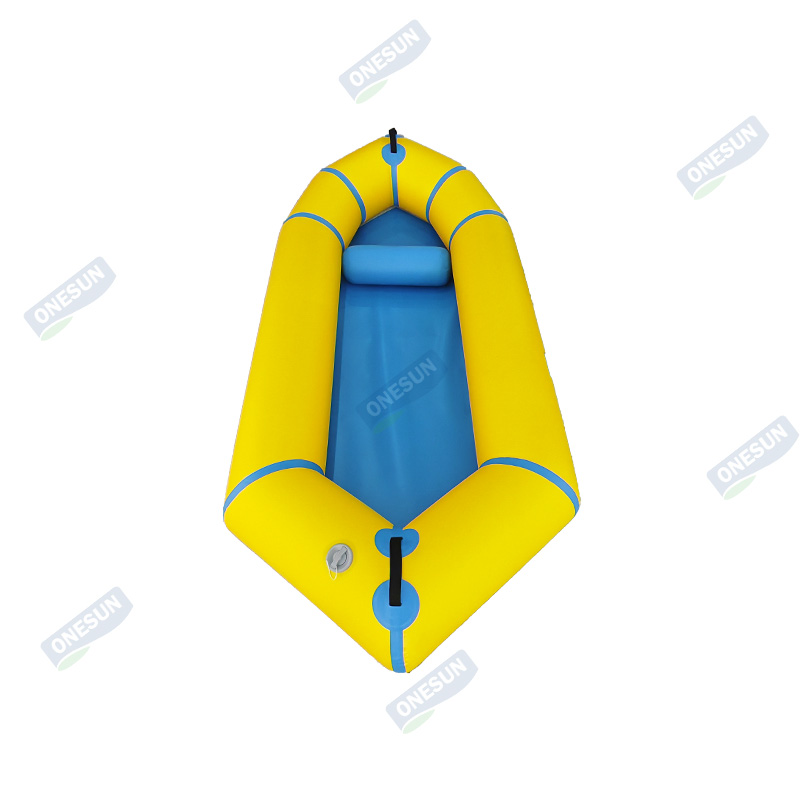
When you look for your first kayak, you will see many options. It can feel confusing at first. You can make it easier by learning about the main types. Let’s see what is important for beginners.
Recreational vs. Touring
There are two main kinds: recreational and touring inflatable kayaks. Recreational kayaks are good for short trips and calm water. Touring kayaks are made for longer trips and rough water. Here is a table to help you choose:
|
Feature |
Recreational Kayaks |
Touring Kayaks |
|---|---|---|
|
Design |
Wider for stability, shorter for easy turning |
Longer and narrower for speed and tracking |
|
Performance |
Slower, very stable, great for casual paddling |
Faster, efficient for long distances |
|
Storage |
Small space for gear, good for short outings |
More room for gear, perfect for extended trips |
|
Comfort |
Easy to get in and out, lots of leg space |
Designed for comfort on long trips |
If you want to paddle on lakes or slow rivers, a recreational kayak is safe and comfy. If you want to go far or paddle for hours, a touring kayak is faster and holds more gear.
Tip: Full Dropstitch (FDS) inflatable kayaks are getting popular with beginners. These kayaks use special panels that make them stiff and strong, almost like a hardshell kayak. You get better performance and stability, so you feel more sure on the water.
Solo or Tandem Kayak
You also need to pick between a solo kayak or a tandem kayak. Solo kayaks are for one person. Tandem kayaks let you paddle with someone else. Here is a table to help you decide:
|
Feature |
Solo Inflatable Kayak |
Tandem Inflatable Kayak |
|---|---|---|
|
Storage & Transport |
Lighter, easier to carry |
Heavier, takes more space |
|
Customer Demand |
Great for solo trips |
Perfect for couples/families |
|
Maintenance & Wear |
Less wear and tear |
More wear and tear |
|
Paddling Experience |
Simple for beginners |
Needs teamwork |
If you want to paddle alone and have easy control, pick a solo kayak. If you want to paddle with a friend, a tandem kayak is more fun.
You might think about inflatable kayak vs hardshell. Inflatable kayaks are easier to store and move. New FDS models give you performance close to hardshell kayaks. Beginners get the best of both worlds.
Key Features When Choosing a Kayak
When you start looking at inflatable kayaks, you might feel overwhelmed by all the options. You can make things simple by focusing on a few key features. These features help you stay safe, comfortable, and happy on the water.
Stability and Comfort
You want your kayak to feel steady, especially if you are new to paddling. Stability comes from the width and shape of the kayak. Wider kayaks give you more balance and make it harder to tip over. The hull shape also matters. Hard chined shapes offer more initial stability, which means you feel secure right away. Round bottomed kayaks can give you even more stability because of how they sit in the water.
Here’s a quick look at how width and hull shape affect your experience:
|
Aspect |
Description |
|---|---|
|
Width |
Wider kayaks provide more stability and help you stay upright. |
|
Initial Stability |
A larger water area resists tipping, so you feel safer as you paddle. |
|
Hull Shape |
Round bottoms and hard chines both add to your sense of balance. |
You will notice that a stable kayak lets you relax and enjoy your time. You can get in and out without feeling wobbly. Comfort also matters. Look for a kayak with a padded seat and enough leg room. You want to sit for a while without getting sore.
Portability and Weight
One of the best things about inflatable kayaks is how easy they are to carry. Most inflatable kayaks weigh between 4 and 50 pounds. If you pick a lighter kayak, you can carry it by yourself or even take it on a hike. Heavier kayaks can be tough to move, especially if you have to walk far.
-
Inflatable kayaks are designed for easy transport and storage.
-
You can roll them up and put them in a bag.
-
They fit in small spaces, like a closet or the trunk of your car.
-
Lighter kayaks are perfect if you want to explore remote lakes or rivers.
You do not need a big car or a garage. You can take your kayak almost anywhere. This makes adventures much easier.
Durability and Materials
You want your kayak to last for many trips. The durability of inflatable kayaks depends on the materials used. Some materials last longer and resist damage better than others. Here’s a table to show you how long different materials can last:
|
Material |
Expected Lifespan |
|---|---|
|
TPU |
5 - 15 years |
|
PVC |
5 - 10 years |
|
Hypalon |
15 - 20 years |
|
Vulcanized rubber |
20+ years |
If you want a kayak that can handle bumps and scrapes, look for one made with Hypalon or vulcanized rubber. These materials are tough and can last a long time. PVC is also common and works well for most beginners. Always check for strong seams and thick fabric. This helps your kayak stand up to rocks, sticks, and sun.
Safety Features
Safety should always come first when you are on the water. One of the most important safety features in inflatable kayaks is multiple air chambers. If one chamber gets a hole, the others keep you floating. This gives you extra peace of mind.
Here’s why multiple air chambers matter:
|
Feature |
Description |
|---|---|
|
Safety |
More chambers mean better buoyancy and stability, which keeps you safe. |
|
Material |
Puncture-resistant PVC or Hypalon adds another layer of protection. |
You should also look for bright colors, grab lines, and secure valves. These features make it easier for others to see you and help if you need it. Always wear a life jacket and carry a repair kit. These simple steps keep you safe and ready for anything.
Tip: Never skip checking your kayak for leaks before you paddle. A quick check can save your day!
When you focus on these key features, you make choosing a kayak much easier. You get a kayak that fits your needs and keeps you safe and comfortable on every trip.
How to Choose a Kayak for Your Needs
Where You’ll Paddle
You need to think about where you want to use your kayak. The place you paddle makes a big difference in what kind of kayak you should pick. Some places are calm and easy, while others are rough and need stronger gear. Here’s what you should know:
-
Calm waters, like ponds and lakes, work best with simple and affordable portable inflatable kayaks. You do not need anything fancy for these spots.
-
If you want to try whitewater or open water, you need a tougher kayak. Look for a self-bailing model. This type lets water drain out by itself, so you stay safe and dry.
-
For extreme places, like open oceans or wild rivers, you need a kayak that can handle tough conditions. Pick one with extra layers for strength and puncture resistance.
Tip: Always match your kayak to the water you plan to explore. This helps you stay safe and have more fun.
Size and Weight Capacity
You want a kayak that fits you and holds your gear. Size and weight capacity matter a lot when you look at how to choose a kayak. If you pick a kayak that is too small, you might feel cramped or unsafe. If you pick one that is too big, it can be hard to control.
Check out this table to see what works for most beginners:
|
Capacity |
Size (length x width) |
|---|---|
|
Single; 300 lb |
12' 3" x 2' 6" |
|
Single; 250 lb |
10' 3" x 2' 9" |
|
Tandem; 550 lb |
15' x 2' 8" |
|
Tandem; 400 lb |
12' 6" x 2' 10" |
If you plan to paddle alone, a single kayak is easier to handle. If you want to bring a friend or family member, a tandem kayak gives you more space and a higher weight limit. Always check the weight capacity before you buy. This keeps you safe and helps your kayak last longer.
Storage Space
Think about where you will keep your kayak when you are not using it. Inflatable kayaks are great because they do not need much room. You can roll them up and put them in a closet, under your bed, or in the trunk of your car. If you live in a small apartment, you do not need to worry about finding space.
When you look at how to choose a kayak, ask yourself these questions:
-
Do you have a place to dry your kayak after each trip?
-
Can you store your kayak away from sharp objects or pets?
-
Will you need to carry your kayak up stairs or through tight spaces?
Note: Keeping your kayak clean and dry helps it last longer. Always let it air out before you pack it away.
Choosing a kayak gets easier when you think about where you will paddle, how much space you need, and where you will store it. Take your time and pick the kayak that fits your life best.
Must-Have Accessories and Safety Gear
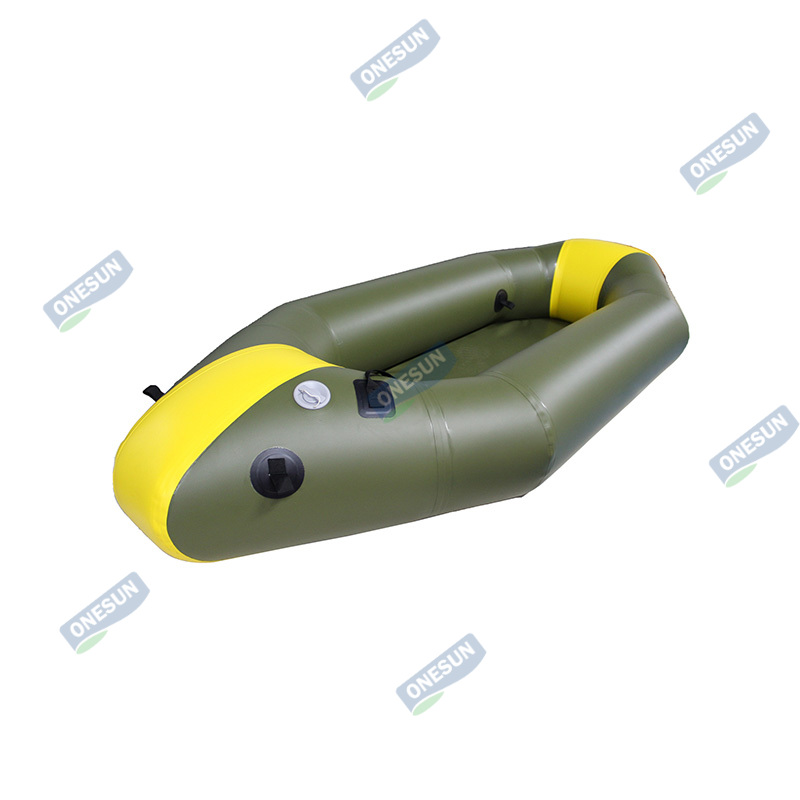
When you get your first kayak, you want to make sure you have the right accessories and gear. These items help you paddle with confidence and keep you safe on the water. Let’s look at what you need before your next adventure.
Paddles and Pumps
You can’t go kayaking without a good paddle. Most inflatable kayaks come with a basic paddle, but you might want to upgrade for comfort and control. Look for a lightweight paddle that fits your height. Some people like to bring a spare paddle, just in case.
You also need a reliable pump. Inflating your kayak should be quick and easy. Many beginners like the Bravo 4 RED Kite Pump because it fills your kayak in about five minutes. The Bravo 6 Pump works too, but it takes more effort. If you want a budget option, the Sevylor RB2500G Barrel Pump can top up your kayak, but it might tire you out if you use it for full inflation. The K-Pump Mini is small and handy for topping up air, but you need to handle it with care.
Here’s a quick list of must-have accessories for your kayak trip:
-
Paddle (and a spare if you have space)
-
Pump (choose one that’s easy for you to use)
-
Dry bag for your phone and snacks
-
Water bottle to stay hydrated
-
Paddling gloves for comfort
Tip: Always check your paddle and pump before you leave home. You don’t want surprises at the water’s edge!
Life Jackets and Repair Kits
Safety comes first every time you use your kayak. You need a life jacket that fits well and meets the right standards. There are different types of life jackets, each with a specific purpose. Check out this table to see which one works best for your kayaking plans:
|
Type of Life Jacket |
Buoyancy Rating |
Purpose |
|---|---|---|
|
50 Newton |
Buoyancy aid |
For sailing up to 2 miles from shelter, conscious swimmers only |
|
100 Newton |
Foam/Inflatable |
For vessels not more than 6 miles from shelter, provides rollover |
|
150 Newton |
Foam/Inflatable |
For all navigation categories, compulsory for over 6 miles from shelter |
|
275 Newton |
High seas |
Must be worn in adverse conditions, ensures unconscious person is turned |
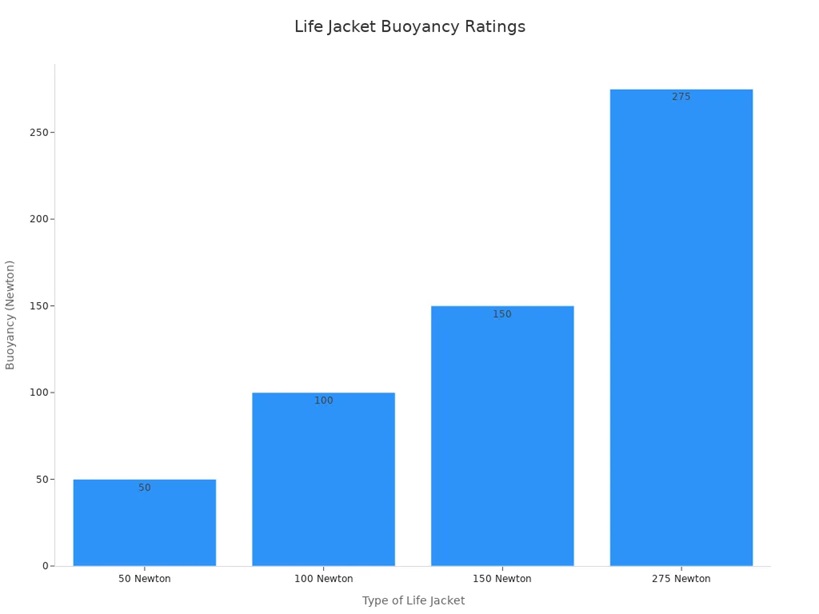
Before each trip, check your life jacket for damage. Make sure the CO2 cylinder is full and attached if you use an inflatable type. Get your life jacket checked by a pro once in a while.
Don’t forget a repair kit for your kayak. A small patch kit can save your day if you get a leak. You should also pack a first-aid kit and a river knife for emergencies. These items help you handle small problems and keep your trip safe.
Note: Always bring your safety gear, even for short trips. It’s better to be ready than sorry.
Steps for Choosing a Kayak
Set Your Budget
You want to start with a budget that makes sense for you. Most entry-level inflatable kayaks cost between $250 and $400. Some models, like the Intex Excursion Pro K1, are even less expensive. You do not need to spend a fortune to get a good kayak for your first adventures. Make a list of what you can afford, and remember to include money for a paddle, pump, and safety gear.
Tip: Setting a budget helps you focus on kayaks that fit your needs and keeps you from feeling overwhelmed by too many choices.
Research and Compare
Take time to look at different kayak models. You want to compare things like size, weight capacity, and how stable each kayak feels. Wide kayaks give you more balance, which is great for beginners. Look for models with multiple air chambers and strong materials like heavy-duty PVC. Check if the kayak comes with a repair kit and a good pump. Think about what you want to do—fishing, touring, or just paddling for fun. Outdoor brands usually offer better quality than toy-style inflatables.
Here’s a quick checklist for comparing kayaks:
-
Number of seats
-
Durability of materials
-
Extra air compartments for safety
-
Skeg for better navigation
Read Reviews and Ask for Advice
Reading reviews can help you avoid common mistakes. Look for comments from people who have used the kayak for a while. Experienced kayakers often share tips about which models work best for beginners. You can also ask questions about hull design or comfort. If you know someone who kayaks, ask them for advice. Remember, your first kayak is a learning tool. Pick one that matches your skill level now, not a high-performance model you might not need yet.
Where to Buy and Try
You can find kayaks online or at outdoor stores. If you can, try to test before you buy. This lets you see how stable and easy to control the kayak feels. Pay attention to how it turns and if it has features that make paddling more comfortable. Testing helps you pick a kayak that feels right for you and gives you confidence on the water.
Note: Always check for return policies or demo days at local shops. Trying a kayak first can make your choice much easier.
You can pick the perfect kayak by following a few simple steps:
-
Decide how you want to use your kayak.
-
Check the size, weight, and materials.
-
Make sure it fits your needs and feels comfortable.
|
Aspect |
Benefit |
|---|---|
|
Kayak Seat |
Supports your back so you can paddle longer. |
Stay safe by wearing a life jacket and planning your trip. As a beginner, focus on learning and having fun. Start your adventure today!